Clematis vs Hornbeam
Clematis has gone somewhere else. Hornbeam has not gone anywhere, it just cannot begin. If the work looks heavy before you start, that is Hornbeam. If you started and then vanished, that is Clematis.
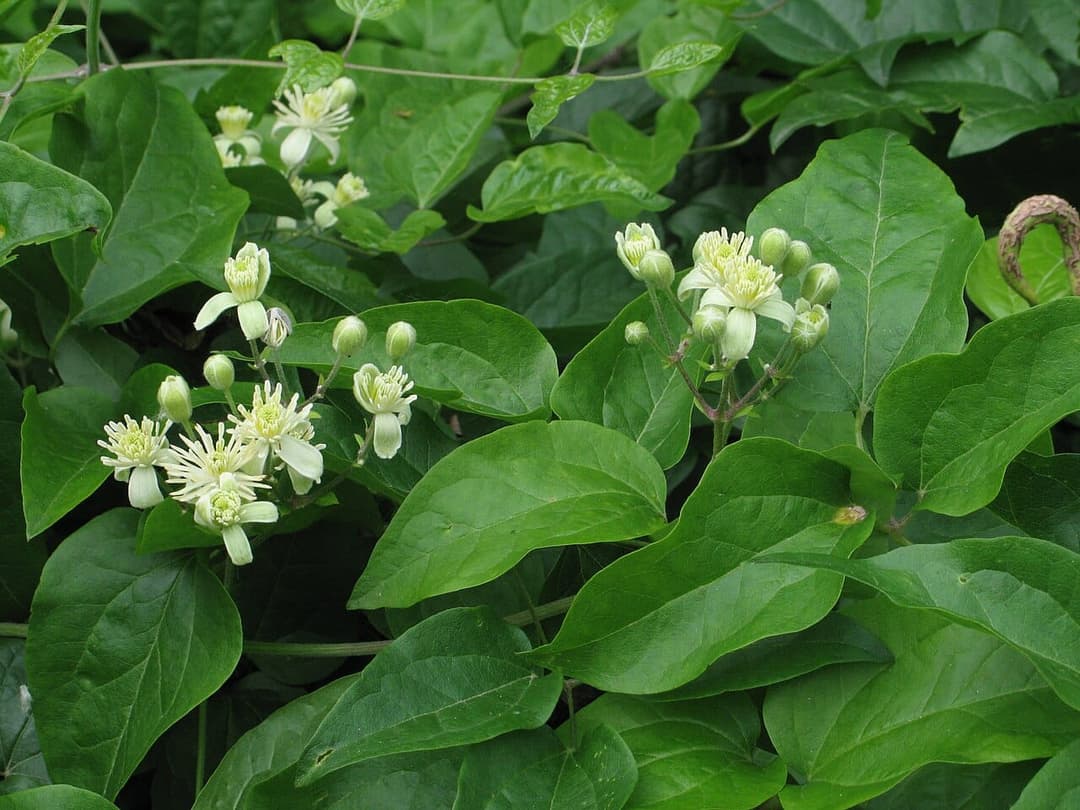
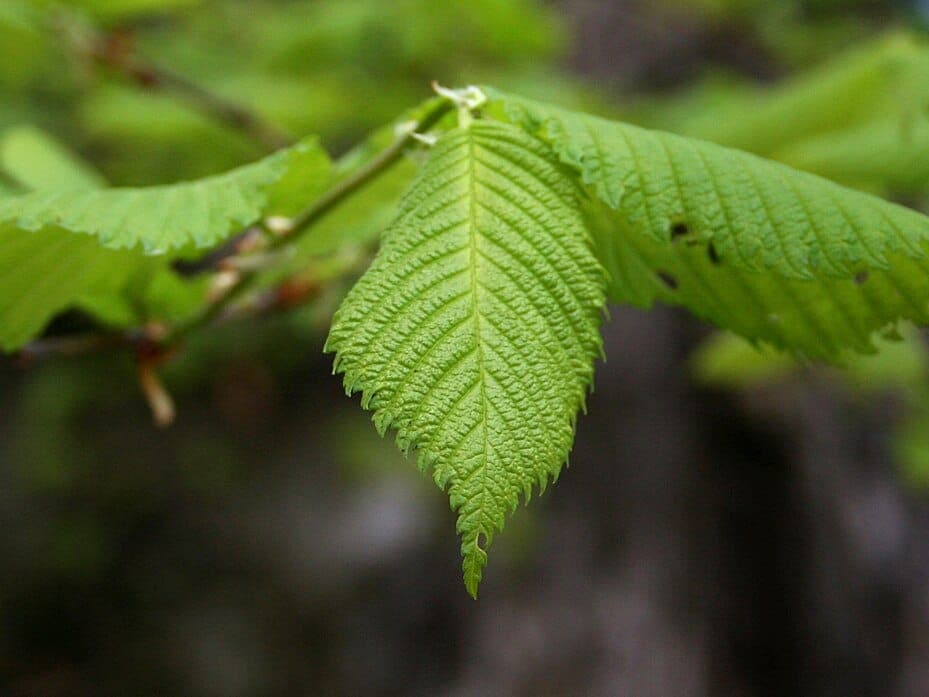
We earn a small commission if you buy through this link, at no extra cost to you. How this works
Why they get muddled
Both end the day with nothing much done, which is why they get muddled. Both are also comfortable rather than distressing, so neither announces itself as a problem until you notice the week has gone. The test is whether your attention left or never arrived.
The differences
When it happens
Clematis
After you have started. You are twenty minutes in and three chapters into something else.
Hornbeam
Before you have started. The doorway is where it stops.
How it feels
Clematis
Pleasant. The elsewhere is better than the afternoon.
Hornbeam
Heavy. The day looks tiring from where you are standing.
If you push through
Clematis
You drift again in ten minutes.
Hornbeam
It usually lifts. By mid morning you are fine, which is the giveaway.
What you do instead
Clematis
Nothing in particular. You are simply somewhere else.
Hornbeam
Everything else. The dishes become urgent and the inbox gets tidied.
Which one to pick
Choose Clematis if
- You started and then lost the thread without noticing
- You miss your stop and lose your keys
- There is a nicer version of things in your head
Choose Hornbeam if
- The task is not hard and you still cannot make yourself begin
- Once you get going it is fine, you know that, and you still cannot begin
- You have suddenly found four other jobs that need doing first
What if both sound right?
A morning that starts as Hornbeam often becomes Clematis by eleven, once you have finally begun and your mind has wandered off anyway. If your working day contains both, take both. They sit side by side in the focus blend.
Common questions
Which one is for procrastination?
Hornbeam, in most cases. It describes the resistance that lives entirely at the doorway, where the task is not actually difficult and starting it is somehow the whole problem. If what stops you is fear of doing it badly, that is Larch instead, and if you are avoiding one specific thing you could name, Mimulus.
Is Hornbeam a tiredness remedy?
Only in the sense that it feels like tiredness. Hornbeam tiredness sits in front of the work rather than behind it, and it usually lifts once you get going. If you slept badly and are genuinely worn out by real effort, Olive is the remedy that describes that and Hornbeam is not.
What if I am exhausted rather than either of these?
Then Olive is the one to read. The dividing line is what rest does. Olive tiredness responds to rest and needs it. Hornbeam tiredness is not really tiredness at all and often disappears within half an hour of starting, and Clematis is not about energy in the first place.
Keep narrowing
The pairs closest to this one, if neither of these two turns out to be it.
Chestnut BudvsClematis
Chestnut Bud repeats and Clematis drifts. If you can see the same mistake three times over in your own history, that is Chestnut Bud. If you keep missing what is happening in front of you, that is Clematis.
OlivevsHornbeam
Olive is tiredness after the effort. Hornbeam is tiredness before it. If rest genuinely helps, it is Olive. If you feel fine once you get going, it is Hornbeam.
ClematisvsHoneysuckle
Both are somewhere other than here. Clematis has drifted into an imagined future. Honeysuckle is living in a remembered past.
OakvsOlive
Both are exhausted. Olive has stopped. Oak is still going, and that is the whole problem.
Still not sure?
Read both profiles in full, or start from the feeling and let the quiz narrow it for you.