Chestnut Bud vs Clematis
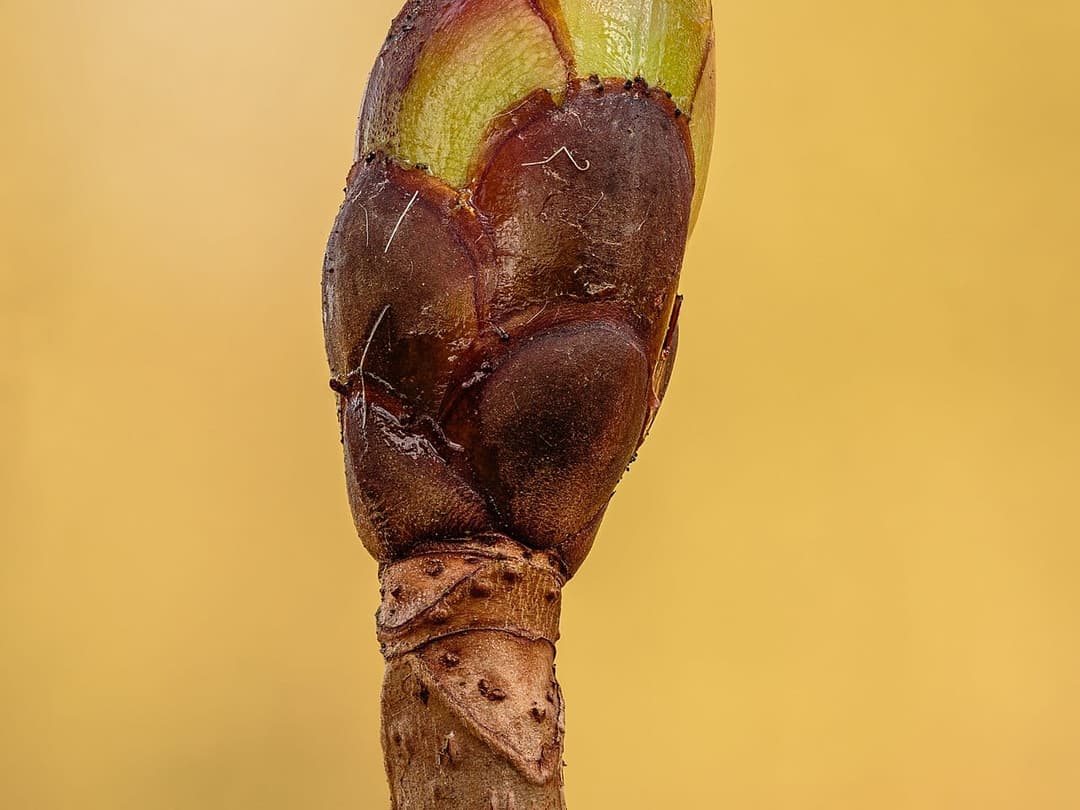
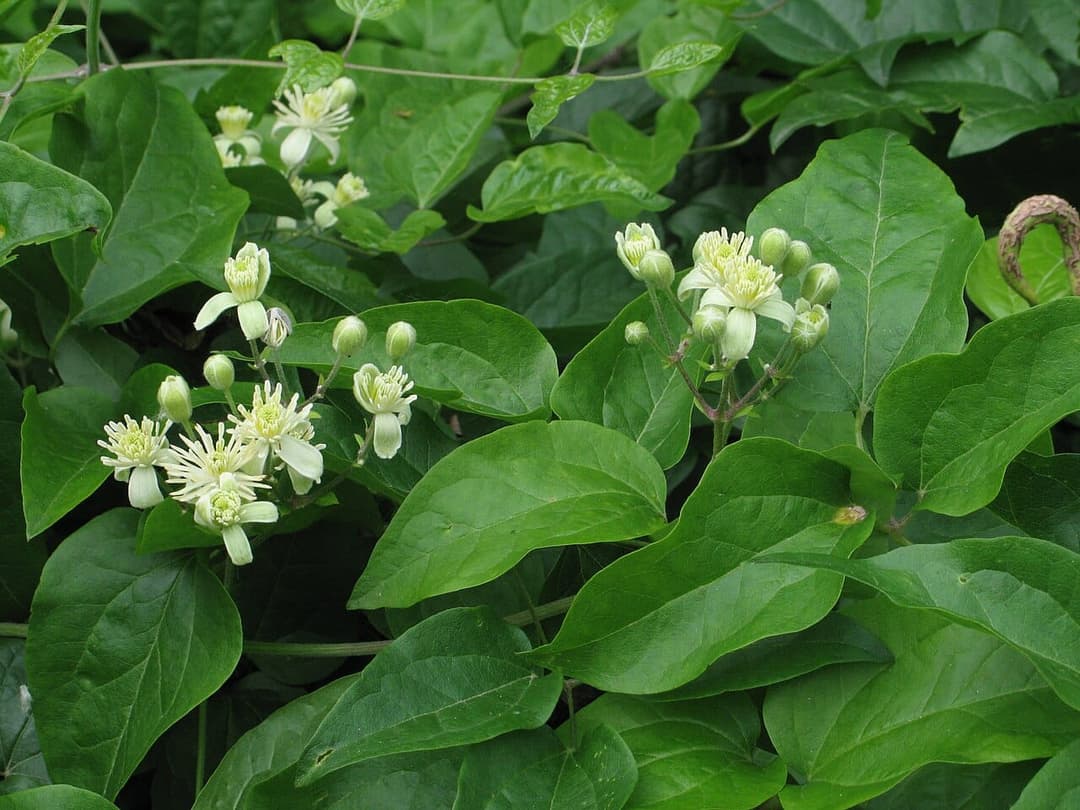
Chestnut Bud repeats and Clematis drifts. If you can see the same mistake three times over in your own history, that is Chestnut Bud. If you keep missing what is happening in front of you, that is Clematis.
We earn a small commission if you buy through this link, at no extra cost to you. How this works
Why they get muddled
Both sit in Bach's group for people whose attention is not on the present, and both produce the same complaint from everybody else, that you are not really here. The difference is where the attention went. Clematis went somewhere pleasant. Chestnut Bud went straight past the lesson to the next thing.
The differences
What goes wrong
Chestnut Bud
The same situation, the same argument, the same overcommitted January.
Clematis
The meeting, the stop, the keys, the paragraph you have now read four times.
The timescale
Chestnut Bud
Years. The pattern only shows itself when you look back.
Clematis
Minutes. It is happening right now and you have already missed some of it.
How it feels
Chestnut Bud
Frustrating. You can see it coming and you walk into it anyway.
Clematis
Pleasant, which is the problem. The daydream beats the afternoon.
What would change it
Chestnut Bud
Noticing the shape of a situation early, while there is still time to do something else.
Clematis
Coming back into the room, and staying in it.
Which one to pick
Choose Chestnut Bud if
- You have been here before and you can name when
- The same typo, the same wrong turn, the same forgotten step
- Friends have stopped pointing it out
Choose Clematis if
- People have to say your name twice
- You lose your keys and miss your stop
- There is somewhere better in your head and you keep going back to it
What if both sound right?
They travel together often, since not being present is one very effective way to fail to learn from something. Both are in the focus blend for that reason, and taking the two together is a fair place to start if you genuinely cannot separate them.
Common questions
Is Chestnut Bud the same as White Chestnut?
No, and the names are the only thing they share. White Chestnut is for thoughts going round and round that you cannot switch off. Chestnut Bud is for experience that does not stick, so the same mistake gets made again. Bach numbered them separately and used them for completely different states.
Which one for careless mistakes at work?
If it is the same mistake, Chestnut Bud. If it is a different mistake every time and the common factor is that you were not really paying attention, Clematis. A useful test is whether a colleague could predict which error you are about to make.
Is Clematis just daydreaming?
That is the everyday version of it, yes, and Bach did not treat daydreaming as a fault. The remedy is for the point where the daydream has become the place you live, so appointments, conversations, and whole afternoons pass without you. The imagination is worth keeping. The absence is the part that costs.
Keep narrowing
The pairs closest to this one, if neither of these two turns out to be it.
ClematisvsHornbeam
Clematis has gone somewhere else. Hornbeam has not gone anywhere, it just cannot begin. If the work looks heavy before you start, that is Hornbeam. If you started and then vanished, that is Clematis.
ClematisvsHoneysuckle
Both are somewhere other than here. Clematis has drifted into an imagined future. Honeysuckle is living in a remembered past.
OlivevsHornbeam
Olive is tiredness after the effort. Hornbeam is tiredness before it. If rest genuinely helps, it is Olive. If you feel fine once you get going, it is Hornbeam.
GorsevsWild Rose
Gorse has tried and lost hope. Wild Rose stopped trying a while ago and does not mind much either way. Gorse still hurts underneath. Wild Rose has stopped feeling much at all.
Still not sure?
Read both profiles in full, or start from the feeling and let the quiz narrow it for you.