Walnut vs Centaury
Walnut has decided and Centaury has not. If you made the call and other people's doubts are pulling you back, that is Walnut. If you said yes when you meant no, that is Centaury.
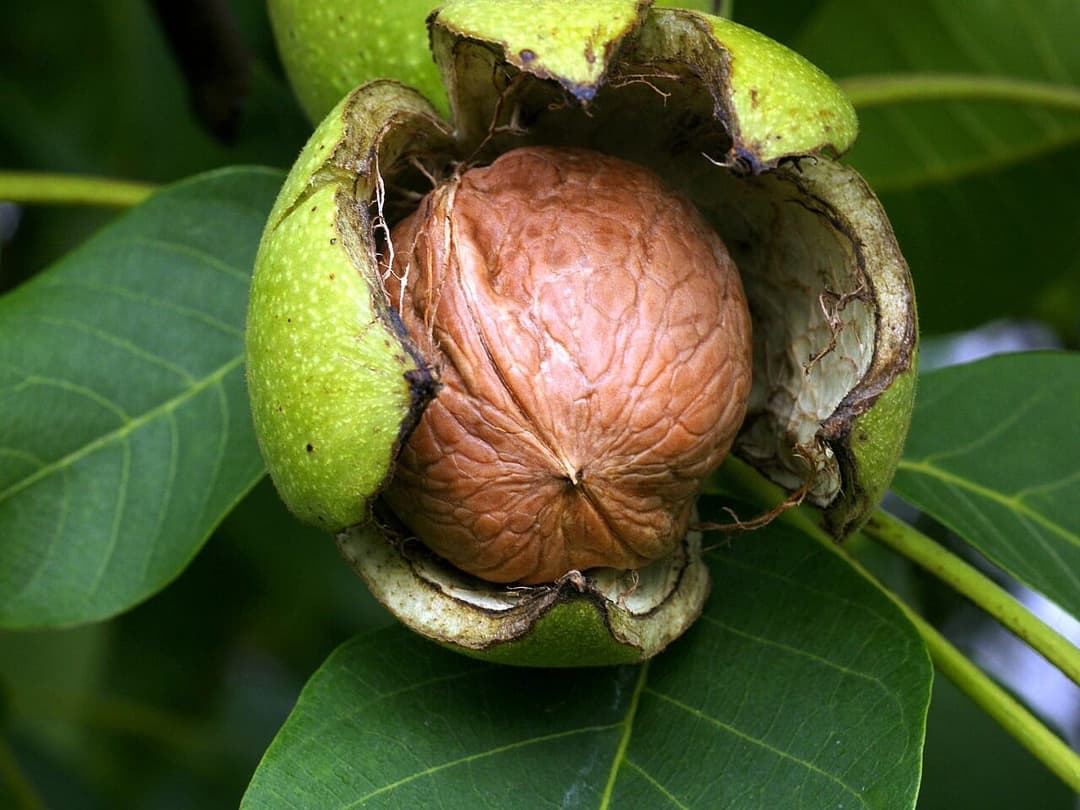
Walnut
Protection during change, and against other people's opinions of your choices

Centaury
Unable to say no, doing everything for everyone, and losing yourself in it
We earn a small commission if you buy through this link, at no extra cost to you. How this works
Why they get muddled
Both are about other people having more say in your life than you would like, and both sit in Bach's oversensitive group. What differs is where in the story it goes wrong: at the decision, or afterwards.
The differences
Where it breaks
Walnut
After the decision. You were certain at breakfast and wobbling by lunch.
Centaury
At the decision. The word yes arrives before you have chosen it.
What other people do
Walnut
They doubt you. A face, a question, an are you sure.
Centaury
They ask you. And they keep asking, because you are kind and everybody knows it.
What you feel
Walnut
Knocked off course, over something you were sure about.
Centaury
A resentment you then feel guilty for having.
What it costs
Walnut
The change stalls, or quietly gets undone.
Centaury
Your own plans stop making it onto the list at all.
Which one to pick
Choose Walnut if
- You are moving, leaving, ending, or starting something, and you know it is right
- Somebody made a face and you have been wobbling ever since
- Old ties and old habits are pulling backwards
Choose Centaury if
- You said yes again, and you knew as it came out that you would resent it
- The favor turned into an arrangement and the arrangement turned into your Saturdays
- Refusing feels worse than just doing the thing
What if both sound right?
They pair naturally through any big change that other people have opinions about, which is most of them. Centaury for the yes you did not mean, Walnut for holding your course once you have finally managed the no.
Common questions
Which one for setting boundaries?
Centaury is the one that describes not being able to set them, and it is the usual starting point. Walnut comes in afterwards, for holding a boundary you have already set while the people used to the old arrangement make their feelings known. Many people end up taking both.
Is Walnut only for big life changes?
The big ones are the classic picture, moving, leaving, starting again, and it covers the changes nobody chose as well: a new baby, a bereavement, a body that is changing anyway. It is also traditionally taken for the smaller version, holding your own line when somebody close disapproves.
What about Agrimony?
Agrimony is the third remedy people confuse with Centaury, and the difference is what you are avoiding. Centaury cannot bear the moment of refusing. Agrimony cannot bear the conflict that might follow it, so it keeps everything pleasant instead. The yes looks identical from outside.
Keep narrowing
The pairs closest to this one, if neither of these two turns out to be it.
AgrimonyvsCentaury
Both say yes when they mean no. Agrimony does it to keep the peace and hide what is really going on. Centaury does it because refusing feels impossible.
LarchvsPine
Larch doubts what you can do. Pine blames you for what you did. If the feeling is I would not be able to, that is Larch. If it is I should not have, that is Pine.
Crab ApplevsPine
Pine is I did something wrong. Crab Apple is there is something wrong with me. Guilt points at an act. Shame points at you.
CeratovsScleranthus
Cerato asks everybody. Scleranthus asks nobody. Both are stuck on a decision, and the difference is whether the argument happens out loud.
Still not sure?
Read both profiles in full, or start from the feeling and let the quiz narrow it for you.