The focus blend
Losing your concentration is not one problem. A head too full of something else is different from a mind that drifts off somewhere pleasanter, and both are different from being unable to start at all. The useful question is where your attention actually goes when it leaves.
The five inside, and why each is there
Each one covers a different face of the same situation, and the blend is all of them together. Read any of them in full to see how much of it is yours, and buy them singly if you would rather mix your own.
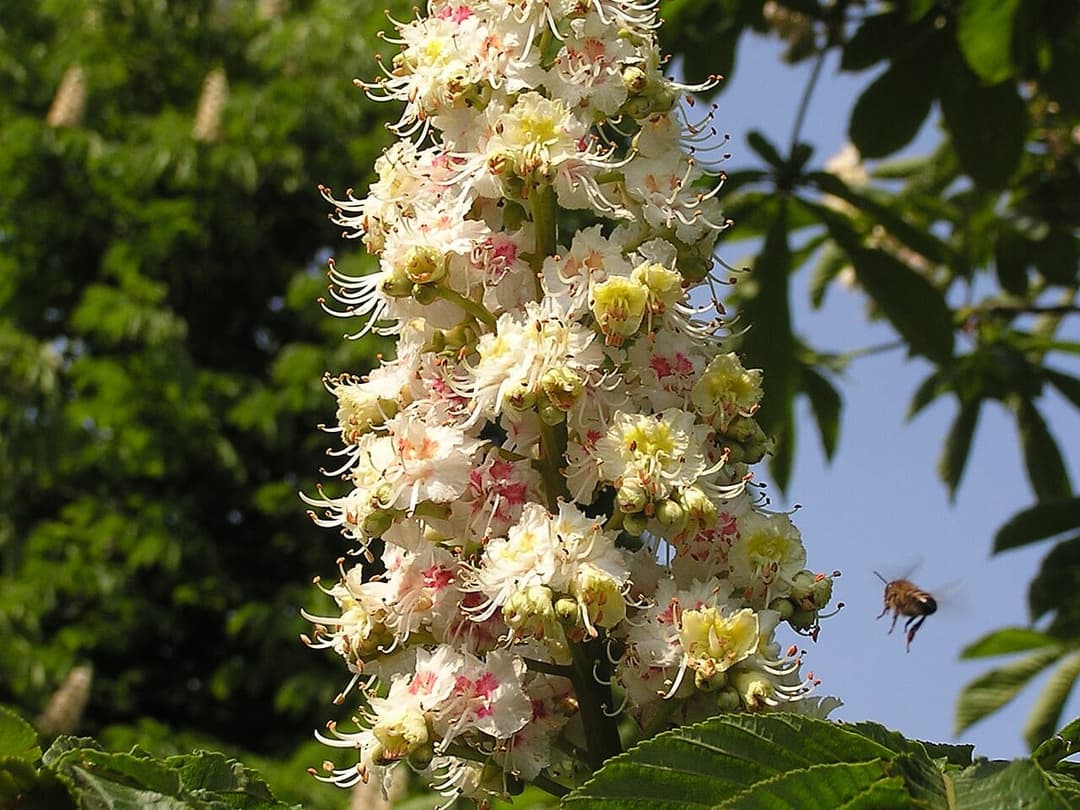 White ChestnutFor a head already full. The page is in front of you and your attention is on yesterday's conversation.Check price on Amazon(opens on Amazon in a new tab)
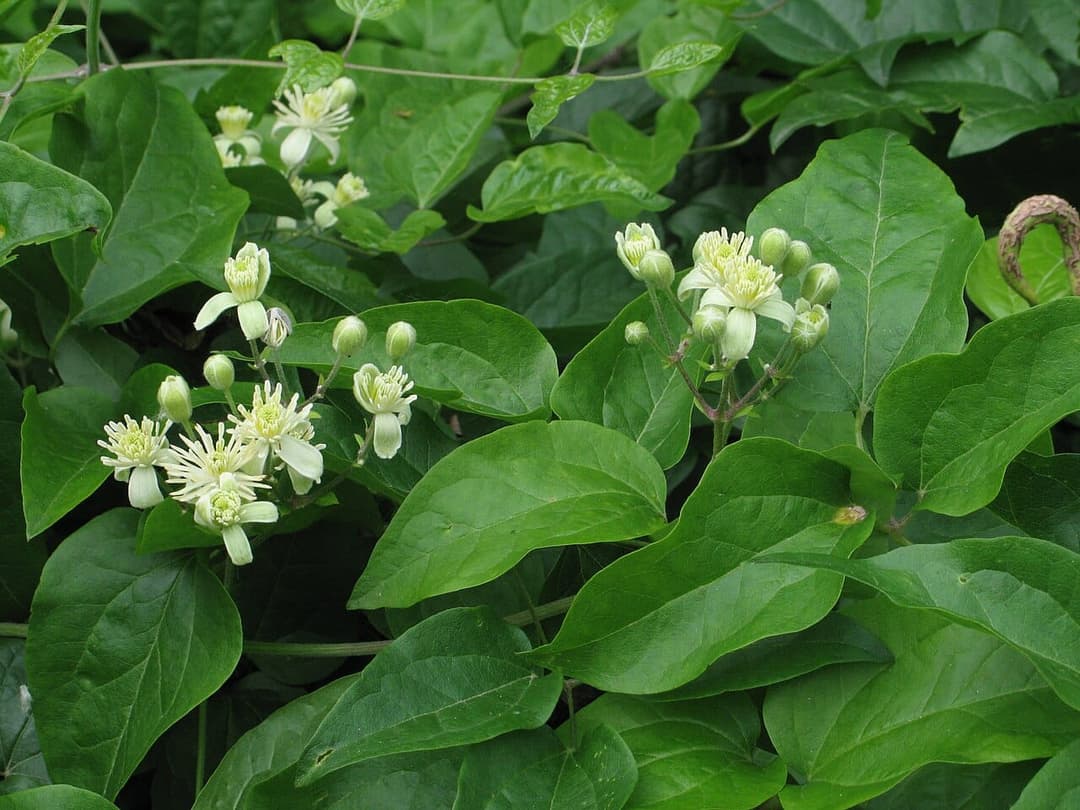 ClematisFor drifting. You come back to the room and find you have read the same paragraph three times.Check price on Amazon(opens on Amazon in a new tab)
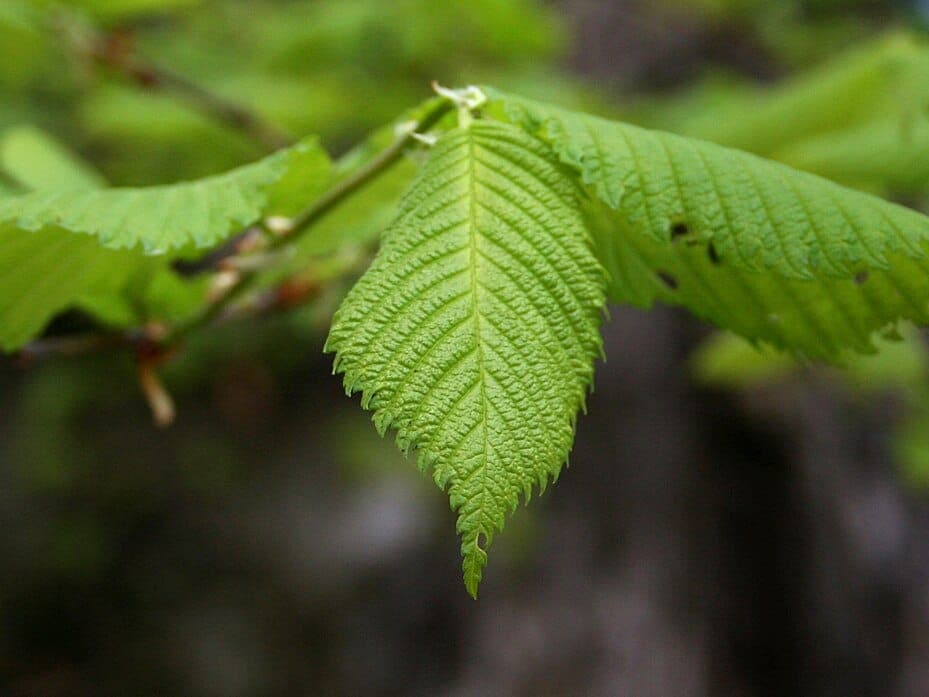 HornbeamFor not starting. The work is not hard, it just looks heavy from the doorway.Check price on Amazon(opens on Amazon in a new tab)
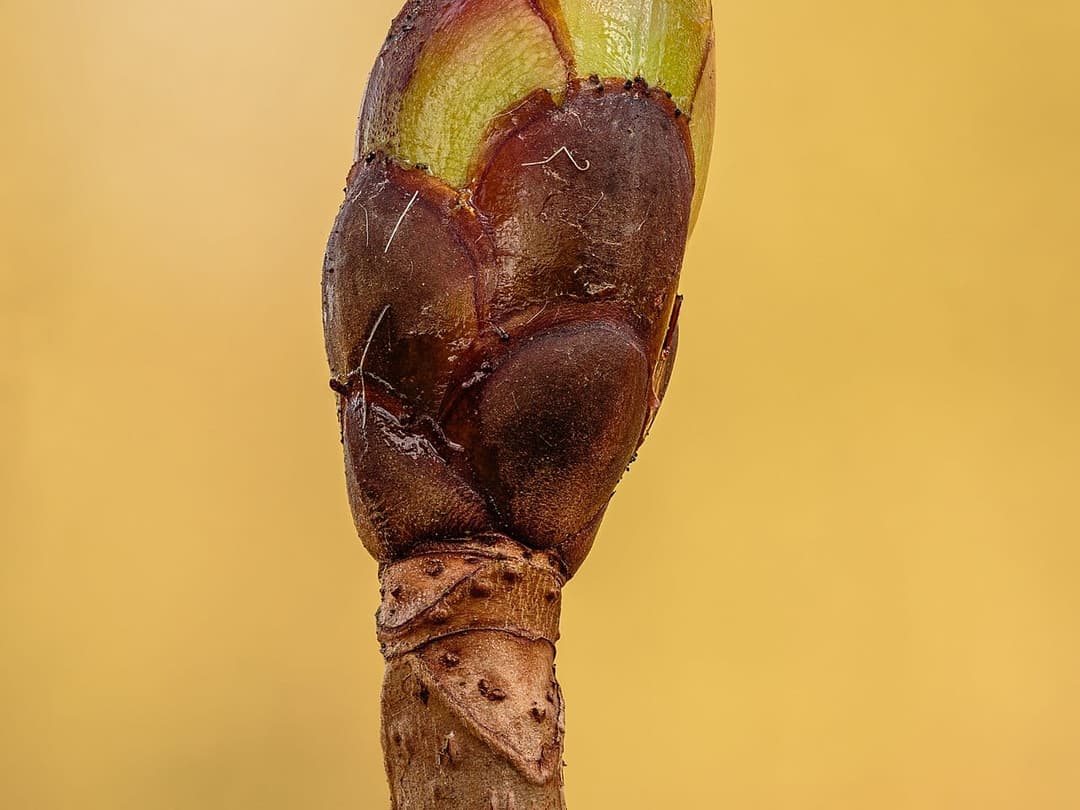 Chestnut BudFor the same careless slip again, and for reading something twice without any of it sticking.Check price on Amazon(opens on Amazon in a new tab)
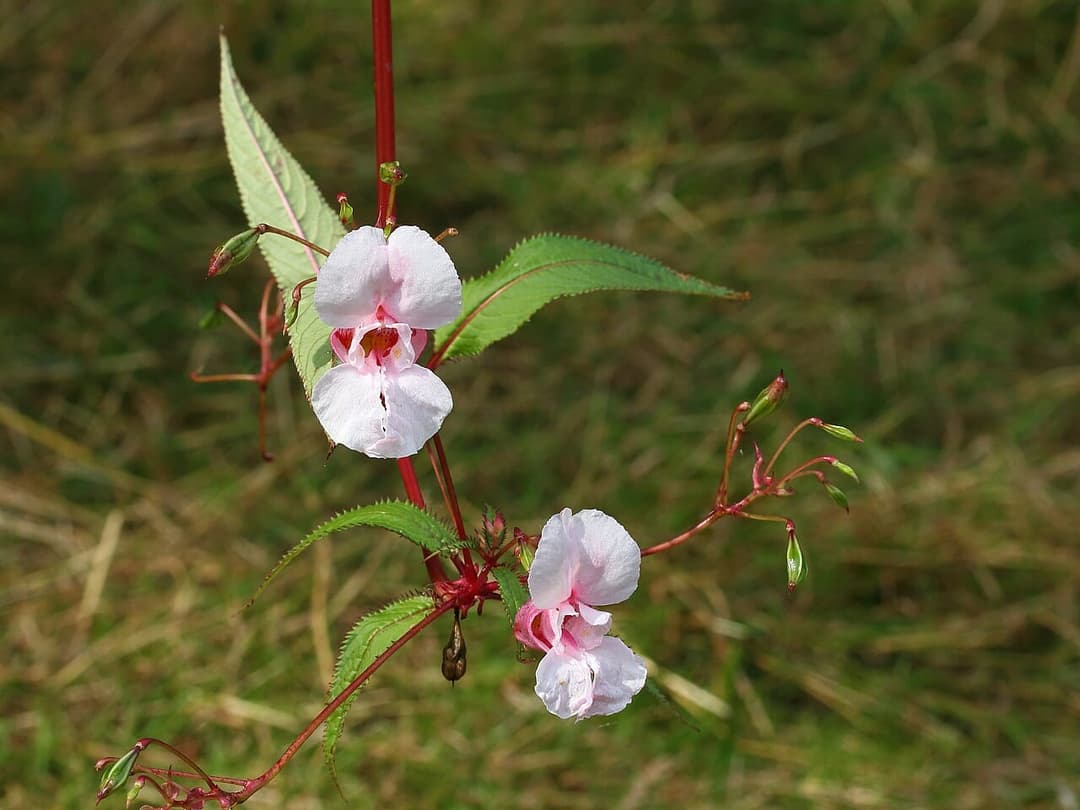 ImpatiensFor rushing. Five things open, none finished, and no patience left for the slow part.Check price on Amazon(opens on Amazon in a new tab)
We earn a small commission if you buy through this link, at no extra cost to you. How this works
When people reach for it
- You read a page and retain none of it
- You come to and realize you have been somewhere else for ten minutes
- The work is not difficult and you still cannot make yourself begin
- You keep making the same slip you made last week
- You have five things open and have finished none of them
How to take it
Two drops of each of the five into a 30ml bottle of spring water, four drops four times a day. That is the blend as it stands. People working at a desk often keep the bottle there, since four doses land naturally across a working day and there is no need to time them around meals.
Concentration usually has one obvious leak, so this is a blend that repays trimming. Go back over the five above and notice which one made you wince. One or two that describe where your attention actually goes will do more than all five together.
Give it two weeks. Frequency matters more than quantity in this system, so four small doses through the day beat one large one, and there is nothing to gain from taking more.
The mixing guide walks through the whole method, bottle sizes and all.
Common questions
Which Bach flower remedy is best for concentration?
White Chestnut and Clematis between them cover most of it, and they are opposites. White Chestnut is a head too full to take anything else in. Clematis is a head somewhere else entirely, pleasantly. If the problem is not attention but starting, Hornbeam, and if it is the same avoidable mistake on repeat, Chestnut Bud.
What is the difference between White Chestnut and Clematis?
Full or empty. With White Chestnut the mind is busy, and it is busy with something specific and usually unwelcome, going round for another lap. With Clematis the mind has simply left, and it has gone somewhere better than the task in front of it. One is noisy and one is quiet, which is normally enough to tell them apart.
Is this the same as the exam nerves blend?
No, and the difference is worth getting right. The exam blend is about the nerves around the test: the blank in the hall, the certainty you will fail, the sheer size of the thing. This one is about the attention itself, which is a problem on an ordinary Tuesday with no exam anywhere near. Studying for something big often calls for remedies from each.
Will it help with something I keep putting off?
Hornbeam is the remedy for that shape of it, where the task is not actually hard and the resistance is all at the doorway. If what is really stopping you is fear of doing it badly, that is Larch, and if you are avoiding one specific thing you could name in a sentence, look at Mimulus instead.
Can I take it while studying?
Yes, and it is one of the easier routines to keep, because there is no timing to observe. Mix the bottle, keep it where you work, and take four drops roughly four times through the day. Nothing here makes you drowsy and nothing needs to be taken with food.
A blend is one answer for everyone
If what you are carrying is a pattern rather than a situation, a remedy chosen for how you actually feel will fit better. The quiz narrows the 38 in about a minute.