The low mood blend
Low mood is a flat word for several different weathers. A gloom that descends for no reason is not the same as discouragement you can trace to something specific, and neither is the same as having quietly stopped expecting much of anything.
The five inside, and why each is there
Each one covers a different face of the same situation, and the blend is all of them together. Read any of them in full to see how much of it is yours, and buy them singly if you would rather mix your own.
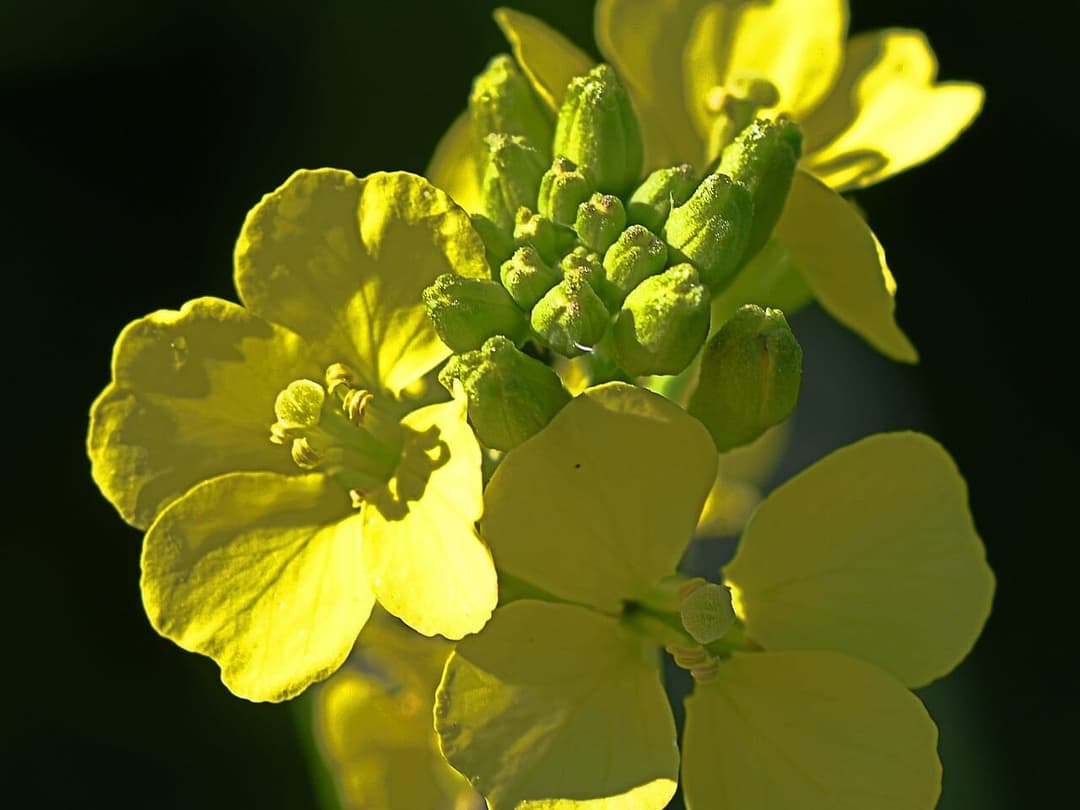 MustardFor gloom that arrives out of a clear sky and lifts just as suddenly, with nothing to blame it on.Check price on Amazon(opens on Amazon in a new tab)
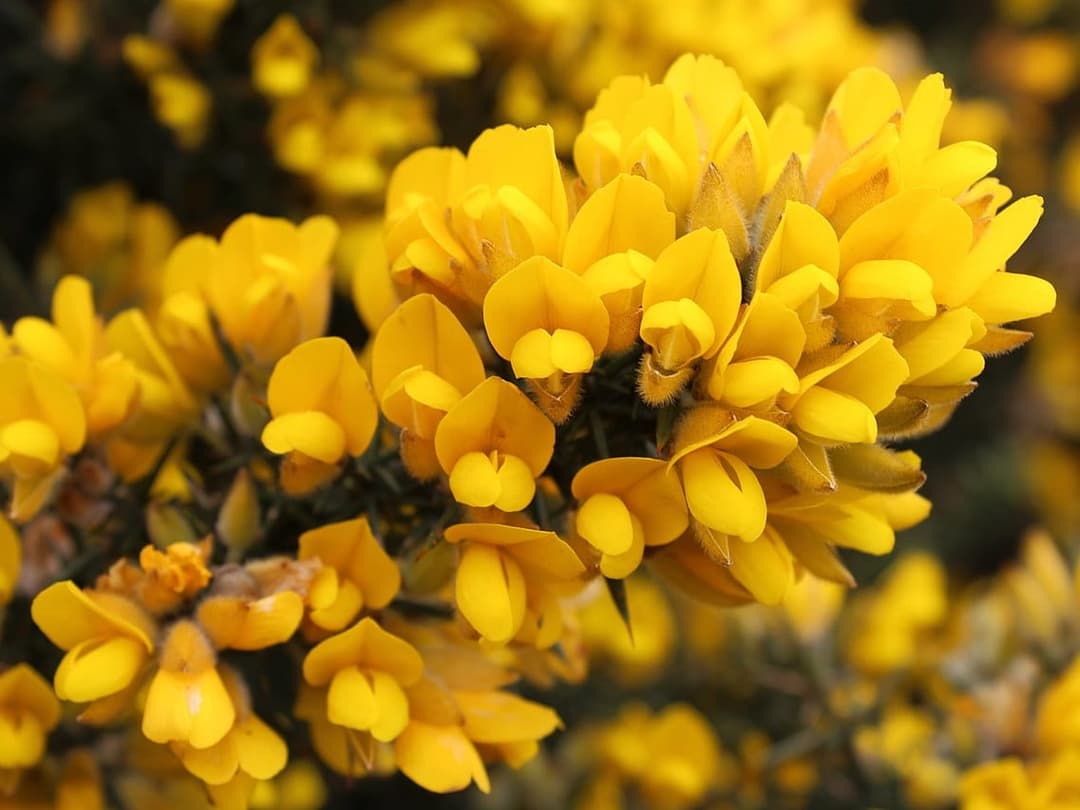 GorseFor when hope has gone, and trying anything feels pointless before you have started.Check price on Amazon(opens on Amazon in a new tab)
 GentianFor discouragement you can trace to something. A result, a rejection, a week that went wrong.Check price on Amazon(opens on Amazon in a new tab)
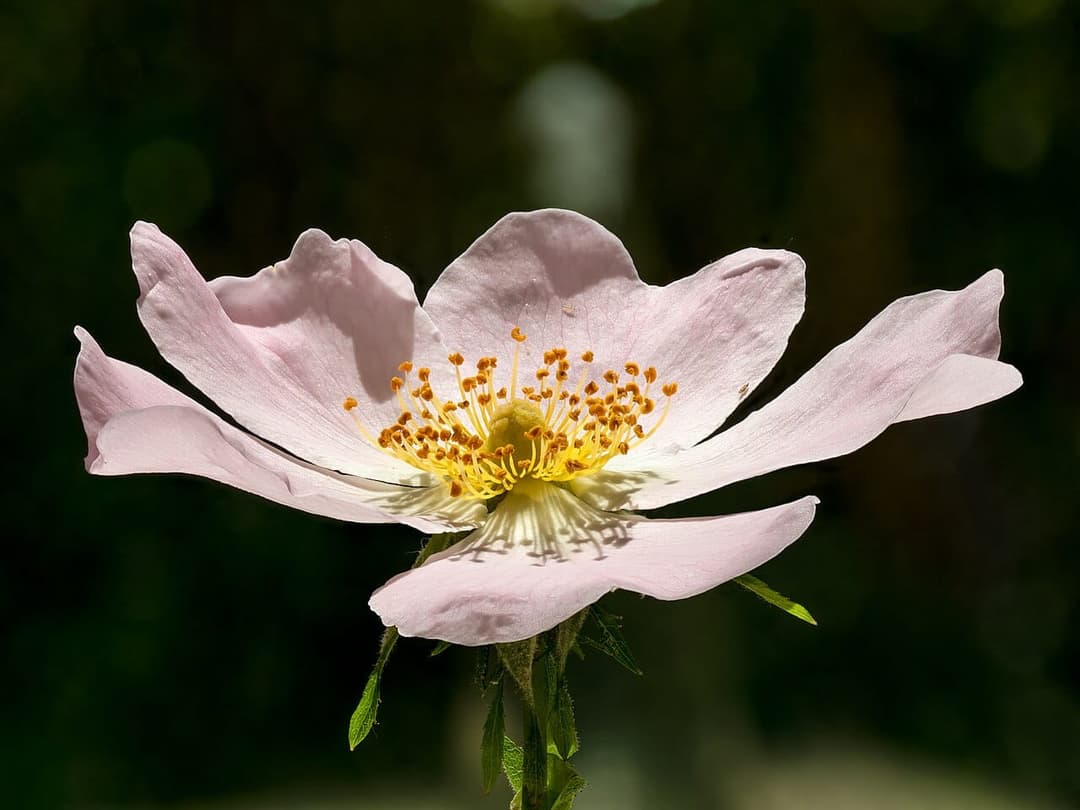 Wild RoseFor the flatness of having stopped minding. Not unhappy exactly, just no longer expecting much.Check price on Amazon(opens on Amazon in a new tab)
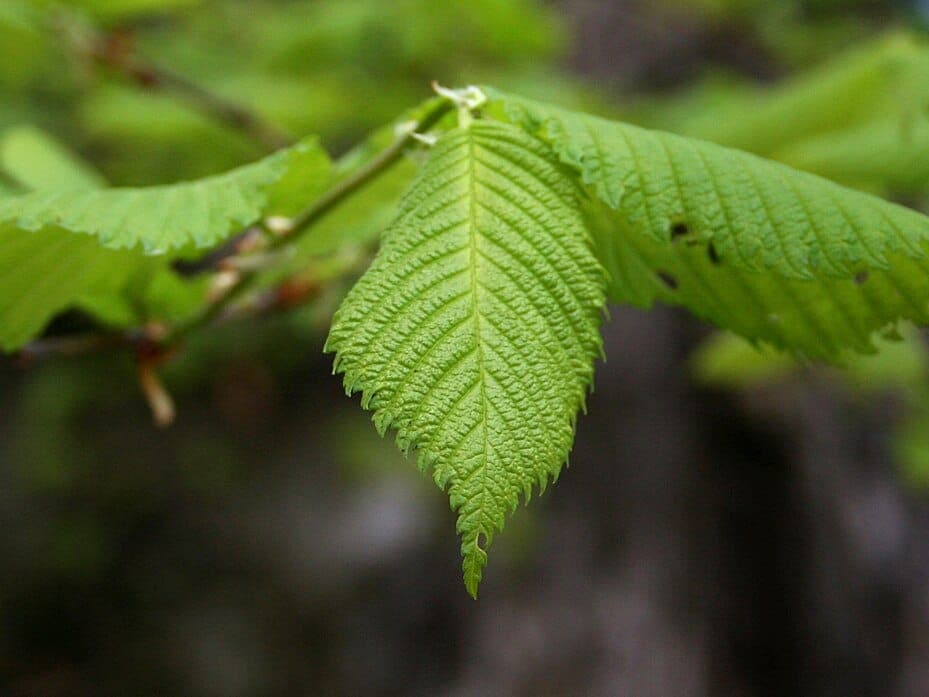 HornbeamFor mornings that look heavy from the doorway, when the day tires you before it has begun.Check price on Amazon(opens on Amazon in a new tab)
We earn a small commission if you buy through this link, at no extra cost to you. How this works
When people reach for it
- The mood dropped and you cannot point at anything that caused it
- One setback has spread out and colored everything else
- You have stopped bothering to hope for a different outcome
- You get through the days without minding much either way
- The first hour of the morning is the hardest part
How to take it
Two drops of each of the five into a 30ml bottle of spring water, four drops four times a day, and two weeks before you form a view. That is the blend as it stands.
Reading the five again is worth more here than in most of these, because Mustard and Gorse feel similar from the inside and are very different remedies. Mustard comes and goes with no cause. Gorse is a conclusion you have reached. Keep the ones that are honestly yours, which for most people turns out to be two of the five.
A flat stretch is easier to carry when somebody knows about it. Tell someone you trust how the last few weeks have honestly been.
The mixing guide walks through the whole method, bottle sizes and all.
Common questions
Which Bach flower remedy is best for low mood?
Mustard, if the gloom arrives and leaves on its own schedule with nothing behind it. Gorse, if you have concluded that nothing is going to help. Gentian, if you can name the setback that started it. Wild Rose, if the feeling is closer to indifference than sadness, and Hornbeam if the weight is concentrated in the mornings. They describe genuinely different states, so it is worth reading all five before picking.
What is the difference between Mustard and Gorse?
Whether there is a reason. Mustard gloom is weather, it rolls in over a perfectly good week and rolls out again, and its arrival makes no sense to you. Gorse is not weather, it is a verdict: you have tried, it did not work, and you have stopped expecting it to. Mustard often lifts by itself. Gorse tends to need something to change.
Is this the same as depression?
They are not the same kind of thing. Depression is a diagnosis, and these five are descriptions of moods, which is why Bach wrote five of them rather than one. People reach for them when a stretch has gone flat or heavy and they want a way to name what it actually feels like. If it has been that way for a long while, tell someone you trust how you have really been.
What if the low mood came after a loss?
Then read the grief blend first, since Star of Bethlehem is the remedy that most often belongs at the front of that story and it is not in this one. Gorse and Gentian both appear in both blends, so there is a fair amount of overlap, and there is no problem taking remedies from each in one bottle.
Why is a tiredness remedy in a low mood blend?
Because Hornbeam is not really about tiredness. It describes the flatness at the thought of the day rather than the exhaustion at the end of it, the Monday feeling that arrives before Monday has done anything. If you are genuinely worn out by a long stretch of effort, Olive is the closer match and it lives in the stress blend.
A blend is one answer for everyone
If what you are carrying is a pattern rather than a situation, a remedy chosen for how you actually feel will fit better. The quiz narrows the 38 in about a minute.